
POS Software in India: The Complete Guide for 2025 and Beyond
The Indian retail and service industry has undergone a massive transformation in the past decade. From small kirana stores to large retail chains, restaurants, and e-commerce businesses, the way transactions are managed has shifted dramatically. At the heart of this transformation lies Point of Sale (POS) software—a technology that has become indispensable for modern businesses.
In India, where digital payments and e-commerce adoption are skyrocketing, POS software is no longer just a billing tool. It has evolved into a comprehensive business management solution that integrates sales, inventory, customer relationship management (CRM), analytics, and even marketing. With the government’s push for a Digital India, the rise of UPI transactions, and the increasing demand for seamless customer experiences, POS software adoption is accelerating across industries.
This blog post will take you through everything you need to know about POS software in India—its meaning, benefits, challenges, top providers, industry trends, and how to choose the right solution for your business.
What is POS Software?
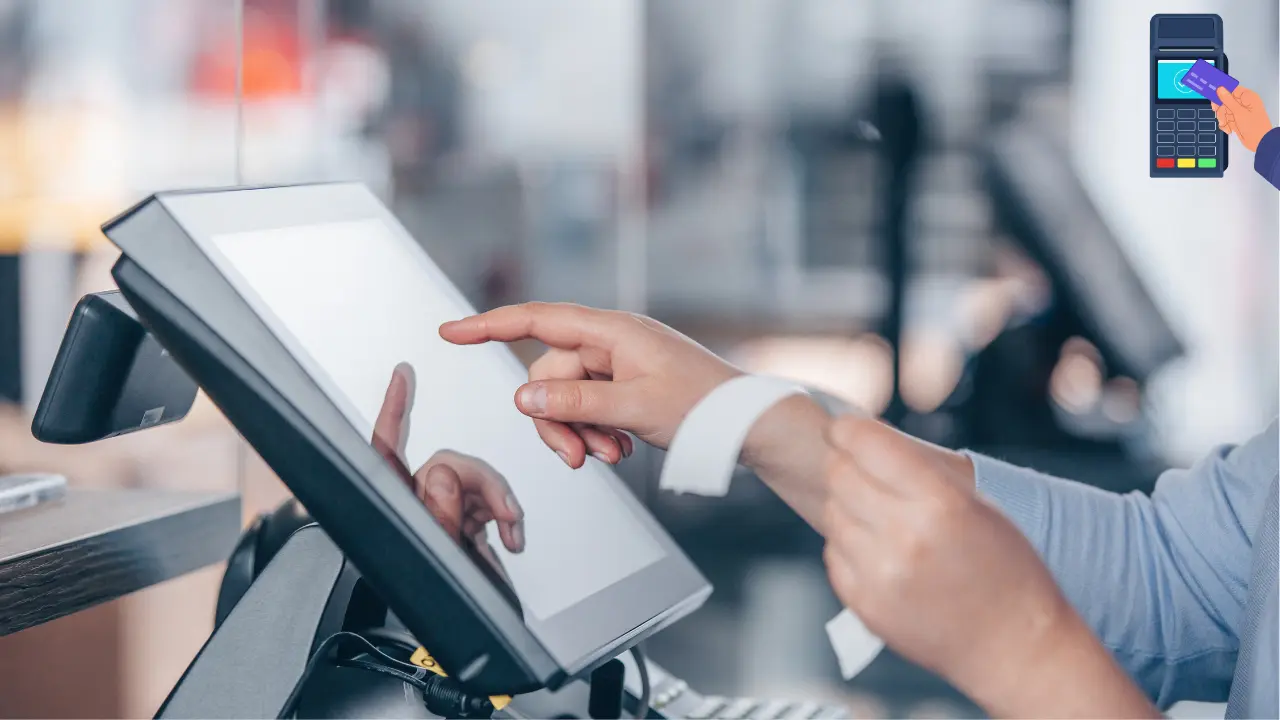
A Point of Sale (POS) system is a combination of hardware and software that enables businesses to complete sales transactions. Traditionally, POS systems were simple cash registers. Today, they are cloud-based, mobile-friendly, and AI-powered platforms that do much more than just process payments.
Key Functions of POS Software:
- Billing & Transactions: Generate invoices, accept multiple payment methods (cash, card, UPI, wallets).
- Inventory Management: Track stock in real-time, set reorder alerts, and prevent stockouts or overstocking.
- Customer Management: Store customer data, track purchase history, and run loyalty programs.
- Analytics & Reporting: Provide insights into sales trends, best-selling products, and staff performance.
- Multi-Store Management: Manage multiple outlets from a single dashboard.
- Integration: Connect with e-commerce platforms, accounting software, and CRM tools.
In short, POS software is not just a billing solution—it’s a business growth engine.
Why POS Software is Crucial in India
India’s retail market is one of the fastest-growing in the world, projected to reach USD 2 trillion by 2032. With over 13 million kirana stores, thousands of restaurants, and a booming e-commerce sector, the demand for efficient transaction management is higher than ever.
Key Reasons for POS Adoption in India:
- Digital Payment Growth: UPI transactions crossed 14 billion in a single month in 2025, making digital payment integration essential.
- GST Compliance: POS systems simplify tax calculations and GST filing.
- Customer Expectations: Shoppers expect quick checkouts, multiple payment options, and personalized offers.
- Competition: Businesses need data-driven insights to stay ahead in a competitive market.
- Government Push: Initiatives like Digital India and Startup India encourage digital adoption.
Benefits of POS Software in India
1. Faster Checkout & Better Customer Experience
- Quick billing reduces waiting time.
- Multiple payment options (cash, card, UPI, wallets).
- Digital receipts improve convenience.
2. Inventory Control
- Real-time stock tracking.
- Automatic reorder alerts.
- Prevents losses due to expired or unsold stock.
3. Data-Driven Insights
- Identify best-selling products.
- Track seasonal demand.
- Optimize pricing strategies.
4. GST & Compliance
- Automated tax calculations.
- Easy GST return filing.
- Reduced accounting errors.
5. Employee Management
- Track staff performance.
- Manage shifts and attendance.
- Prevent internal theft.
6. Customer Loyalty & Marketing
- Run loyalty programs.
- Offer personalized discounts.
- Send SMS/email campaigns.
Challenges of POS Software Adoption in India
While POS systems are powerful, businesses in India face some challenges:
- Cost Concerns: Small businesses hesitate due to subscription fees and hardware costs.
- Internet Dependency: Cloud-based POS requires stable internet, which can be an issue in rural areas.
- Training Needs: Staff must be trained to use advanced features.
- Integration Issues: Not all POS systems integrate smoothly with existing tools.
Types of POS Systems in India
- On-Premise POS Installed locally, requires servers and IT support. Suitable for large enterprises.
- Cloud-Based POS Accessible from anywhere, affordable, and scalable. Ideal for SMEs and startups.
- Mobile POS (mPOS) Works on smartphones/tablets. Great for small retailers, food trucks, and events.
- Self-Service Kiosks Popular in QSRs (Quick Service Restaurants) like McDonald’s and KFC.
- Omnichannel POS Integrates offline and online sales. Essential for retailers with e-commerce presence.
Top POS Software in India (2025)
Based on industry reviews and expert analysis, here are some of the leading POS solutions in India:
| POS Software | Best For | Key Features | Pricing (Approx) |
|---|---|---|---|
| GoFrugal POS | Retail & Restaurants | Inventory, GST billing, CRM | ₹1,200/month |
| HDPOS Smart | SMEs | Multi-store, barcode, accounting | ₹15,000 one-time |
| TallyPrime POS | Accounting-focused businesses | GST, invoicing, reports | ₹18,000 one-time |
| Square POS | Budget-friendly | Free plan, mobile POS | Free + processing fees |
| Shopify POS | E-commerce retailers | Omnichannel, order sync | ₹1,499/month |
| Lightspeed POS | Customer loyalty | Advanced CRM, analytics | ₹5,690/month |
| TouchBistro | Restaurants | Menu management, table orders | ₹5,000/month |
| Ginesys POS | Large retailers | ERP integration, supply chain | Custom pricing |
Industry-Specific POS Solutions
1. Retail POS
- Barcode scanning.
- Stock management.
- Loyalty programs.
2. Restaurant POS
- Table management.
- Kitchen display systems.
- Online food delivery integration (Zomato, Swiggy).
3. Salon & Spa POS
- Appointment scheduling.
- Membership management.
- SMS reminders.
4. Pharmacy POS
- Batch & expiry tracking.
- Prescription management.
- GST compliance.
Trends in POS Software in India (2025)
- AI & Machine Learning Predictive analytics for demand forecasting.
- UPI & Wallet Integration Seamless digital payments.
- Omnichannel Retailing Unified experience across offline and online stores.
- Cloud & Mobile POS Affordable and scalable for SMEs.
- Contactless Payments QR codes, NFC, and biometric payments.
- Integration with Accounting & ERP End-to-end business management.
How to Choose the Right POS Software in India
When selecting a POS system, consider:
- Business Type: Retail, restaurant, salon, pharmacy.
- Budget: Subscription vs one-time cost.
- Scalability: Can it grow with your business?
- Ease of Use: Staff training requirements.
- Integration: With e-commerce, accounting, CRM.
- Support: 24/7 customer service availability.
Case Studies: POS Success Stories in India
- Kirana Stores: Many small shops adopted mobile POS integrated with UPI, boosting sales by 30%.
- Restaurants: Cloud-based POS helped restaurants manage Swiggy/Zomato orders seamlessly.
- Retail Chains: Large brands like Reliance Trends use omnichannel POS to unify online and offline sales.
Future of POS in India
The future of POS in India is cloud-first, mobile-driven, and AI-powered. With the rise of digital payments, e-commerce, and customer personalization, POS systems will become the central nervous system of businesses. Expect deeper integration with AI, IoT, and blockchain for fraud prevention, predictive analytics, and supply chain transparency.
Conclusion
POS software in India has evolved from being a simple billing tool to a comprehensive business management solution. Whether you run a small kirana store, a restaurant, or a large retail chain, adopting the right POS system can help you increase efficiency, improve customer experience, and boost profitability.
As India continues its digital transformation journey, POS software will play a pivotal role in shaping the future of retail and services. Businesses that embrace this technology today will be the ones leading tomorrow.